BreakEven+™ for Municipal Parks & Recreation Operations

Know what it takes to maintain parks, grounds, shelters, and public spaces before the annual budget is committed.

BreakEven+™ helps municipalities forecast labor, fringe, overhead, G&A, support labor, materials, contractors, and project costs for grounds maintenance, playground repairs, park facilities, and recreation-support operations.
Grounds MaintenanceFacilities & SheltersPlayground Repairs
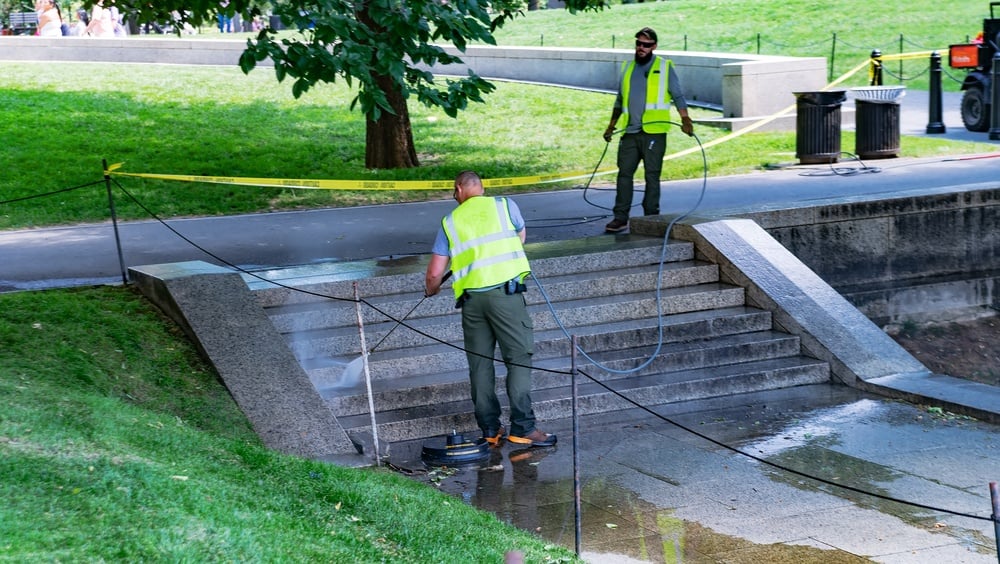
Municipal parks maintenance crew cleaning public park infrastructure
Parks operations budget transparency

Parks departments manage visible public assets, but the labor and support structure behind them still needs to be costed clearly.

From mowing and seasonal grounds work to playground upkeep, public-space cleaning, shelter maintenance, and site repairs, municipal parks operations often depend on direct crews supported by indirect labor, administration, facilities, and equipment.

Budget totals are easier to defend when the maintenance work and supporting cost pools are visible.

BreakEven+™ helps separate direct field labor from fringe, support costs, overhead, administration, materials, and outside project inputs so parks budgets are easier to build and explain.

FALIB® keeps the cost logic connected from forecast to project.
What the parks budget can capture

Build the annual parks and recreation operations budget from the work being supported.

01

Grounds crews

Labor for mowing, trimming, landscaping, seasonal cleanup, irrigation support, and general park upkeep.

02

Facilities maintenance

Shelters, restrooms, benches, paths, lighting, fences, and other municipal recreation assets.

03

Playground & site repairs

Safety-surface replacement, minor repairs, replacement parts, inspections, and related direct inputs.

04

Support & project inputs

Supervision, fleet support, administration, materials, contractors, and outside project work when needed.

Illustrative parks operating model

Connect labor hours and indirect pools to the annual parks maintenance program.

The example below is illustrative only. It shows how a municipality could organize direct labor, fringe, indirect costs, support labor, materials, and other inputs into a parks and recreation operating budget.

$0.00Illustrative direct wage mix per productive hour
$0.00Illustrative fringe and payroll burden per hour
$0.00Illustrative overhead and support allocation per hour
$0.00Illustrative fully supported planning rate
Illustrative annual parks & recreation operations model $0.00M

Instead of hiding everything inside one blended budget figure, separate the operating layers so leadership can see what is driving the annual parks requirement.

Budgeted Direct Maintenance Hours0Illustrative grounds, facilities, cleaning, seasonal, and repair labor hours supporting park operations.
Budgeted Support / Indirect Hours0Illustrative supervision, planning, fleet support, administration, and other indirect effort represented in the model.
Direct wages$789K
Fringe / burden$311K
Department overhead$426K
Support labor / operations$352K
G&A / administration$302K

Illustrative values are not municipal benchmarks, incurred-cost results, accounting guidance, or recommended rates. Actual configuration depends on the municipality’s own labor, support structure, policies, equipment environment, materials, facilities, and financial records.
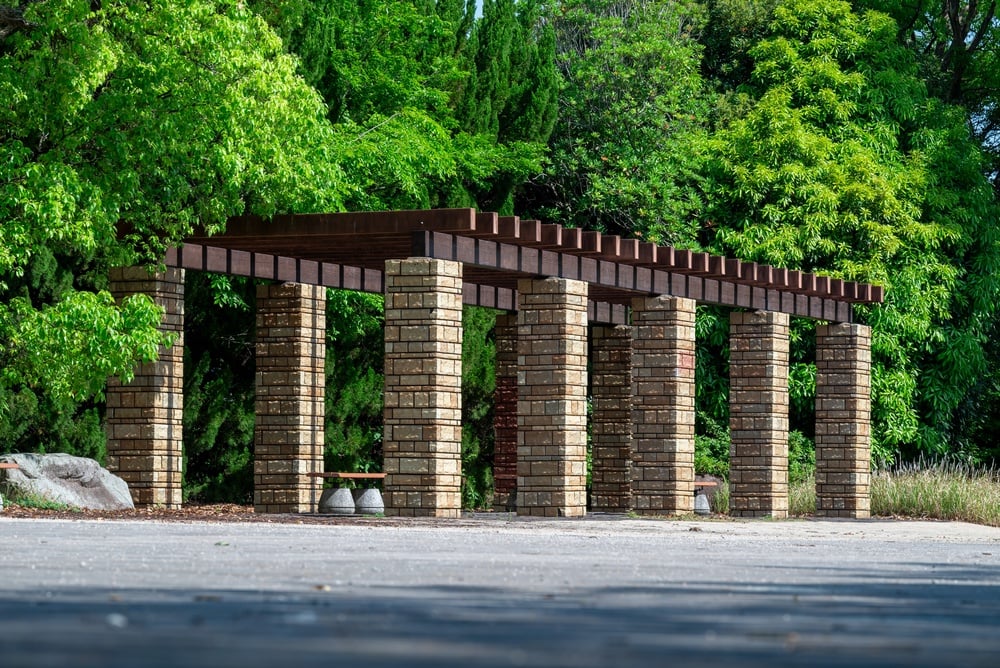
Municipal park shelter and recreation facility representing parks maintenance and public asset planning
Facilities and public assets

Park systems include more than grass-cutting.

Shelters, site furnishings, restrooms, pathways, lighting, fencing, irrigation, public gathering areas, and other facilities all add maintenance demand that should be reflected in the budget structure.

  • Keep grounds labor separate from facility-support and indirect-cost pools.
  • Forecast recurring maintenance alongside periodic repair and replacement needs.
  • Add materials, replacement parts, contractor support, and outside services when required.
  • Use the same cost framework across operating work and small capital-improvement activity.
  • Make the assumptions behind the parks budget easier for leadership to review.
Playgrounds, repairs, and site rehabilitation

Maintenance and rehabilitation work can be carried from the operating model into project-level detail.

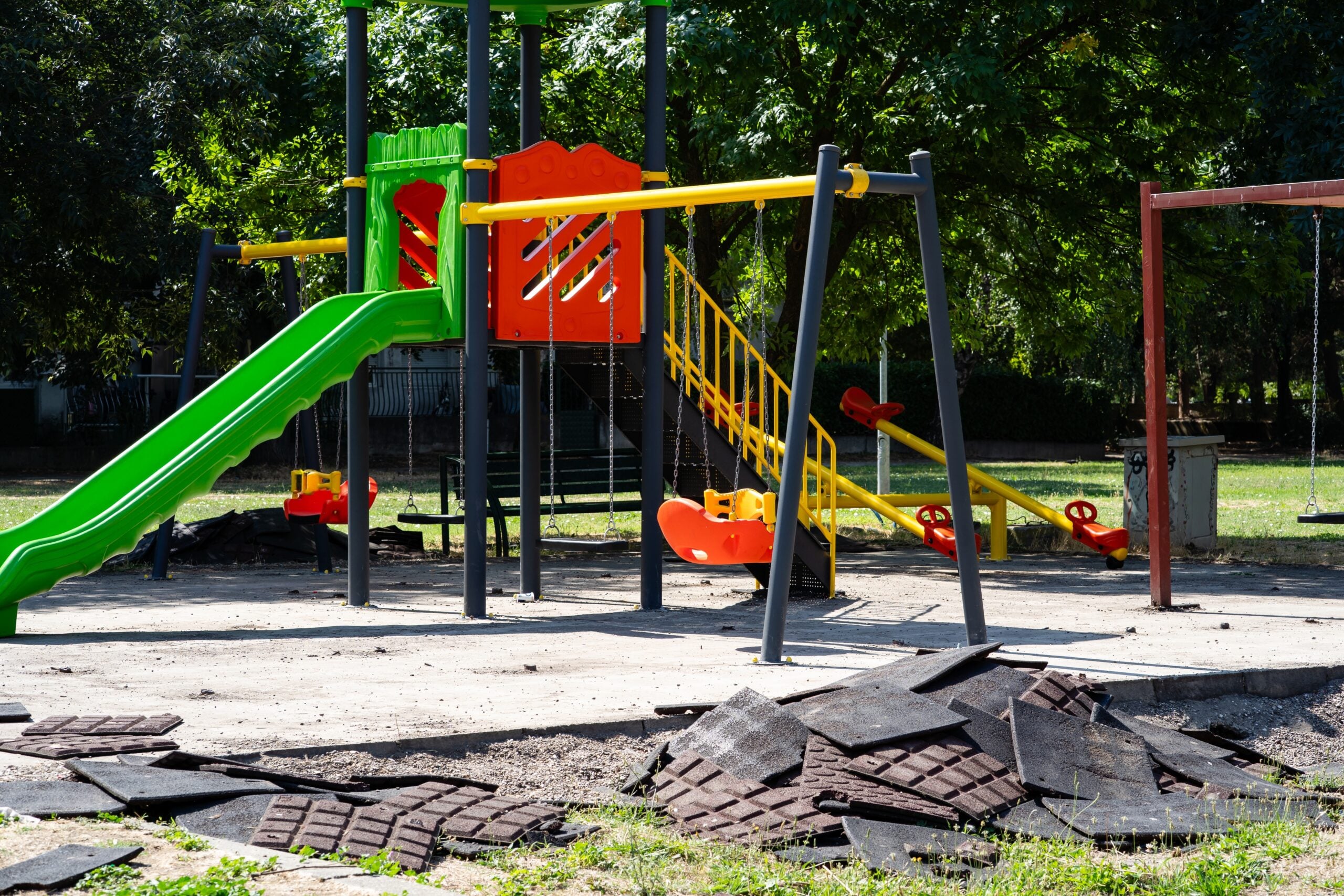
When playground repairs, surfacing replacement, equipment work, or site rehabilitation is needed, BreakEven+™ can help preserve the labor and indirect-cost logic while adding production assumptions, materials, and project inputs.
  • Separate direct municipal labor from contractor and supplier costs.
  • Track materials, quantities, hours, and unit-rate assumptions more clearly.
  • Carry the cost foundation into a specific project or repair estimate with FALIB® reporting.
  • Use one framework across operations, repairs, and recreation-support projects.
Municipal playground undergoing maintenance and surface replacement
Parks & recreation use cases

Use one cost-intelligence framework across day-to-day maintenance and visible public-space improvements.

Grounds maintenanceForecast mowing, landscaping, irrigation support, trimming, leaf collection, and seasonal upkeep labor.
Park cleaning & upkeepOrganize cleaning crews, supplies, support hours, and related public-space maintenance activity.
Shelters & park facilitiesModel repairs, maintenance, support, and materials for shelters, restrooms, benches, paths, and related assets.
Playgrounds & equipmentEstimate repairs, resurfacing, replacement parts, contractor support, and related safety-maintenance work.
Seasonal operationsCapture temporary labor, support costs, and recurring annual work that changes by season.
Small park projectsCarry the cost foundation into rehabilitation, upgrade, and improvement work where project visibility matters.
FALIB® Reporting

Carry the parks cost foundation from the annual forecast into project, production, and consolidated reporting.

FALIB® connects labor and indirect-cost assumptions to project, production, and summary reporting so municipal teams can preserve the logic behind the parks budget and the work it supports.

Employee-level foundation

FALIB®-Mr

Use employee-specific wages, fringe, classifications, and labor assumptions when detailed internal labor is needed.

Explore FALIB®-Mr →
Grouped foundation

FALIB®-Sr

Model labor by crew, function, site group, department, or another strategic grouping when employee-level detail is not required.

Explore FALIB®-Sr →
Project view

FALIB®-Jr

Carry the originating cost structure into a specific park project, repair, or rehabilitation effort.

Explore FALIB®-Jr →
Production detail

FALIB® P&P

Show labor hours, quantities, production, materials, costs, unit rates, and other detail behind the work.

Explore FALIB® P&P →
Consolidated view

FALIB® Roll-Up

Bring accepted estimates and changes into a summarized financial view while keeping the supporting records intact.

Explore FALIB® Roll-Up →
BreakEven+™ by SERVVIAN®

Give parks and recreation budgets a clearer maintenance and labor-cost foundation.

Forecast the crews. Separate the indirect pools. Add materials, contractors, and project inputs. Then use FALIB® reporting to explain the assumptions behind the annual parks budget and related repair work.