Planned quantities
Road area, lane miles, patches, striping, repairs, or other measurable units of planned work.
BreakEven+™ helps municipalities forecast direct labor, fringe, overhead, G&A, support labor, materials, subcontractors, and production assumptions—then carry them into FALIB® reporting.
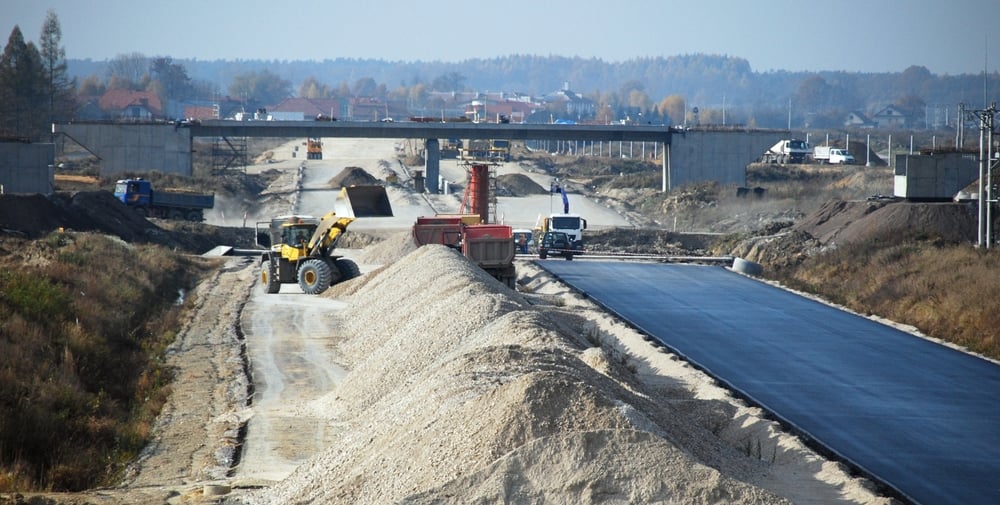
Municipal street work can include direct crews, equipment operators, foremen, engineering support, administration, materials, subcontractors, and departmental overhead. BreakEven+™ helps organize those layers before the program budget is finalized.
FALIB® can connect budgeted labor hours, indirect pools, production assumptions, and project inputs so the number has a visible cost structure behind it.
From planned quantities → labor hours → cost pools → budget requirement.Road area, lane miles, patches, striping, repairs, or other measurable units of planned work.
Translate production assumptions into the direct crew hours expected to perform the work.
Fringe, supervision, departmental overhead, G&A, and support labor behind the field crews.
Materials, equipment-related costs, subcontractors, ODCs, and other costs required by the program.
The example below is illustrative only. It shows how a municipality could connect productive hours, labor dollars, indirect pools, and support costs before carrying them into paving, patching, striping, or maintenance budgets.
Separate direct crew hours and support resources so management can see what is driving the forecast instead of relying on one blended markup.
Illustrative values are not municipal benchmarks, incurred-cost results, accounting guidance, or recommended rates. Actual configuration depends on the municipality's own labor, budgets, allocation methodology, policies, production assumptions, and financial records.

A road or street budget becomes more useful when the planned quantity of work can be connected to the labor hours expected to perform it. BreakEven+™ can help translate production assumptions into direct hours while keeping the same underlying labor and indirect-cost structure.
Road rehabilitation and capital work may combine municipal employees with outside contractors, materials, inspection, engineering, and other support. BreakEven+™ can keep those categories separate so the municipality can see the internal and external cost structure more clearly.
That makes FALIB® useful not only for recurring street maintenance but also for projects where direct municipal labor is only one part of the total project budget.
FALIB® connects the labor and indirect-cost foundation to project and production detail so municipalities can keep the assumptions organized as road and street planning moves forward.
Use employee-specific wages, fringe, classifications, and labor assumptions when greater detail is needed.
Explore FALIB®-Mr →Model labor by crew, role, classification, department, or another strategic grouping.
Explore FALIB®-Sr →Carry the originating cost structure into a specific estimate or change so the project remains explainable.
Explore FALIB®-Jr →Show production, labor hours, materials, quantities, cost, unit rates, and project detail behind planned work.
Explore FALIB® P&P →Bring accepted estimates and changes into a summarized financial view while keeping source records intact.
Explore FALIB® Roll-Up →Forecast the crews. Connect production to hours. Separate the indirect pools. Add project inputs. Then use FALIB® reporting to explain how the number was built.