Maintenance crews
Labor for catch-basin cleaning, culvert work, ditch maintenance, drainage repairs, inspections, and related field activity.
BreakEven+™ helps municipalities forecast labor, fringe, overhead, G&A, support labor, materials, contractors, and project costs for storm sewers, culverts, catch basins, drainage maintenance, and flood-control work.
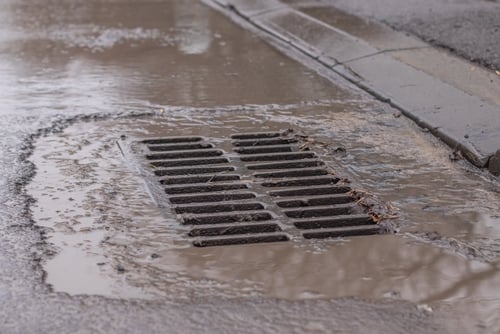
Stormwater programs manage rainwater runoff through storm sewers, culverts, catch basins, ditches, detention systems, outfalls, drainage structures, and related maintenance or improvement work.
BreakEven+™ helps separate direct field labor from fringe, supervision, departmental overhead, administration, materials, and outside project costs.
FALIB® helps make the budget assumptions easier to explain.Labor for catch-basin cleaning, culvert work, ditch maintenance, drainage repairs, inspections, and related field activity.
Foremen, supervisors, engineering, administration, facilities, and other support resources behind the field crews.
Pipe, aggregate, concrete, structures, erosion-control materials, ODCs, and other project inputs.
Contractors, specialty services, engineering consultants, testing, and other outside portions of drainage improvement projects.
The example below is illustrative only. It shows how a municipality could organize direct labor, fringe, indirect costs, support labor, and operating inputs into an annual stormwater and drainage budget.
Separate field hours from indirect support and project inputs so management can see what is driving the annual requirement.
Illustrative values are not municipal benchmarks, engineering estimates, accounting guidance, or recommended rates. Actual configuration depends on the municipality’s own labor, infrastructure, allocation methodology, maintenance program, project scope, policies, and financial records.
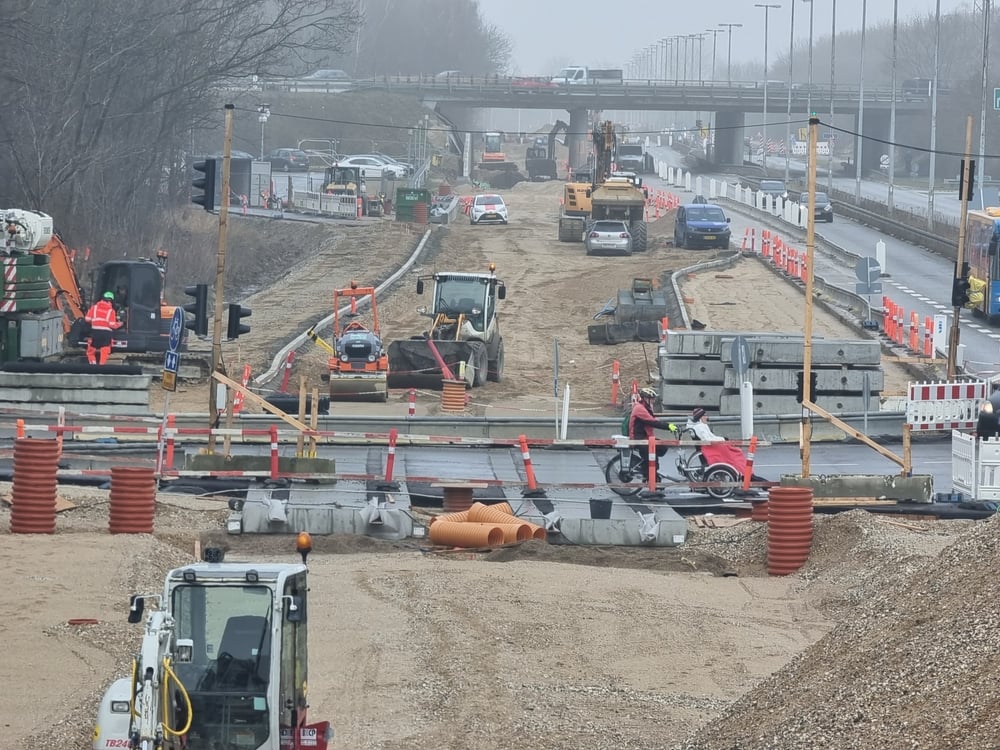
A municipality may self-perform routine drainage work while using outside contractors for larger culvert replacements, storm sewer extensions, detention improvements, or flood-control projects.
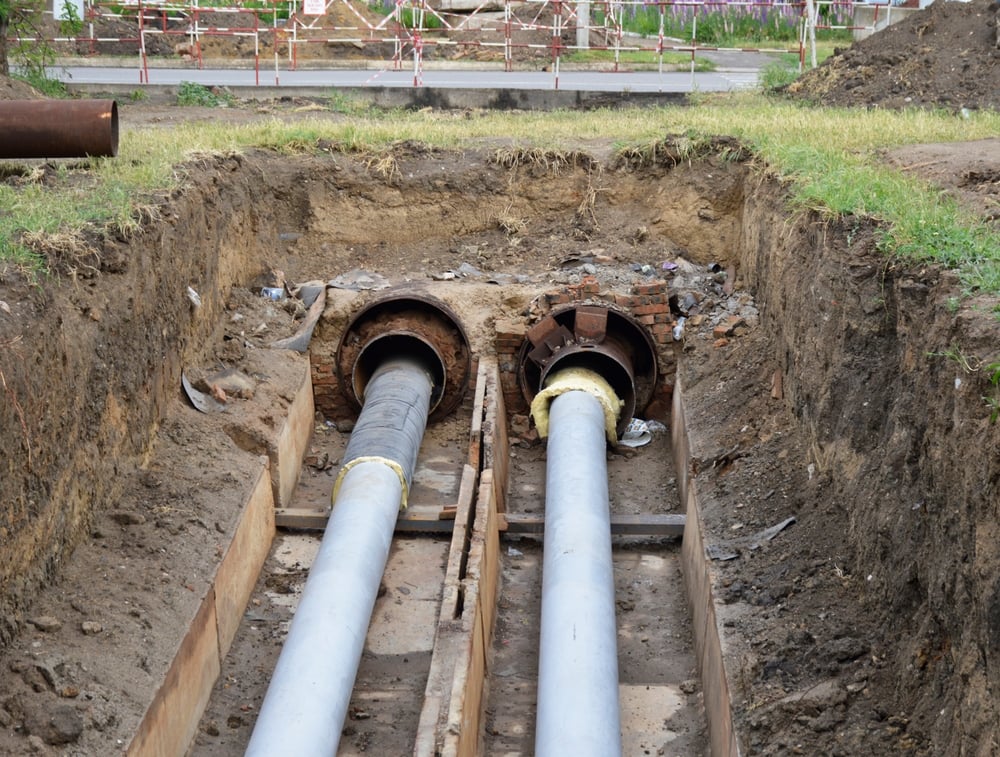
Storm sewer replacement, pipe extensions, structures, crossings, and related excavation can combine municipal engineering and inspection with materials, contractors, and internal support costs.
Rainwater runoff, storm sewers, culverts, catch basins, ditches, detention systems, outfalls, flood-control work, and related maintenance or capital improvements.
Drinking-water treatment, sanitary sewer collection, pumping, wastewater treatment, utility operations, and related water-system infrastructure.
FALIB® connects labor and indirect-cost assumptions to project, production, and consolidated reporting so the municipality can preserve the logic behind drainage budgets and improvement projects.
Use employee-specific wages, fringe, classifications, and labor assumptions when detailed internal labor is needed.
Explore FALIB®-Mr →Model labor by crew, classification, department, maintenance group, or another strategic grouping.
Explore FALIB®-Sr →Carry the originating cost structure into a specific maintenance estimate, project, or change.
Explore FALIB®-Jr →Show labor hours, production, quantities, materials, costs, unit rates, and other project detail.
Explore FALIB® P&P →Bring accepted estimates and changes into a summarized financial view while keeping the supporting records intact.
Explore FALIB® Roll-Up →Forecast the crews. Separate the indirect pools. Add materials and project inputs. Then use FALIB® reporting to explain the assumptions behind the annual drainage program or capital improvement.