BreakEven+™ for Municipal Solid Waste & Sanitation

Know what it takes to run the municipality’s own solid waste operation.

For municipalities that operate collection, transfer, landfill, or sanitation services internally, BreakEven+™ helps forecast labor, fringe, overhead, G&A, fleet support, disposal-related costs, and other operating inputs before the budget is committed.

Collection CrewsLandfill OperationsForecast Budgets
Municipal solid waste landfill operations representing BreakEven+ cost intelligence for sanitation services
Internal operations need a full cost model too.
Built for self-operated municipal services

The municipality is not estimating a hauler’s price. It is forecasting the cost of its own operation.

Collection drivers, loaders, mechanics, supervisors, dispatch, transfer or landfill staff, facilities, fleet support, and administration all contribute to the cost of an internally operated sanitation program.

What does the service actually require to operate for the year?

BreakEven+™ helps separate direct service labor from fringe, supervision, departmental overhead, broader administration, fleet-related support, disposal costs, and other operating inputs.

FALIB® helps turn those assumptions into a reportable budget story.
Build the sanitation budget from the operation

Start with the crews, service hours, support resources, and direct operating inputs.

01

Collection labor

Drivers, loaders, operators, technicians, and other employees directly performing collection and sanitation work.

02

Fleet & maintenance support

Mechanics, shop support, supervision, facilities, and other resources required to keep service vehicles operating.

03

Disposal & site operations

Landfill, transfer, tipping, disposal, site labor, or other direct operating costs associated with the waste stream.

04

Administration & support

Dispatch, management, finance, HR, systems, facilities, and other indirect resources supporting the service.

Illustrative sanitation model

Connect service labor hours to the annual operating budget.

The example below is illustrative only. It shows how a municipality could organize direct labor, fringe, indirect pools, support labor, and other operating requirements into one annual sanitation cost structure.

$0.00Illustrative direct wage mix per productive service hour
$0.00Illustrative fringe and payroll burden per hour
$0.00Illustrative overhead and support allocation per hour
$0.00Illustrative fully supported planning rate
Illustrative annual sanitation model $0.00M

Separate the service labor, support structure, and operating requirements so management can see what is driving the budget.

Budgeted Direct Service Hours0Illustrative collection and site labor hours used to support the direct-wage forecast.
Budgeted Support / Indirect Hours0Illustrative mechanics, supervision, dispatch, and other support labor represented in the model.
Direct service wages$1.64M
Fringe / burden$682K
Fleet & department overhead$804K
G&A / administration$418K
Support labor / operations$636K

Illustrative values are not municipal benchmarks, accounting guidance, incurred-cost results, or recommended rates. Actual configuration depends on the municipality's own labor, routes, fleet, disposal arrangements, allocation methodology, policies, and financial records.
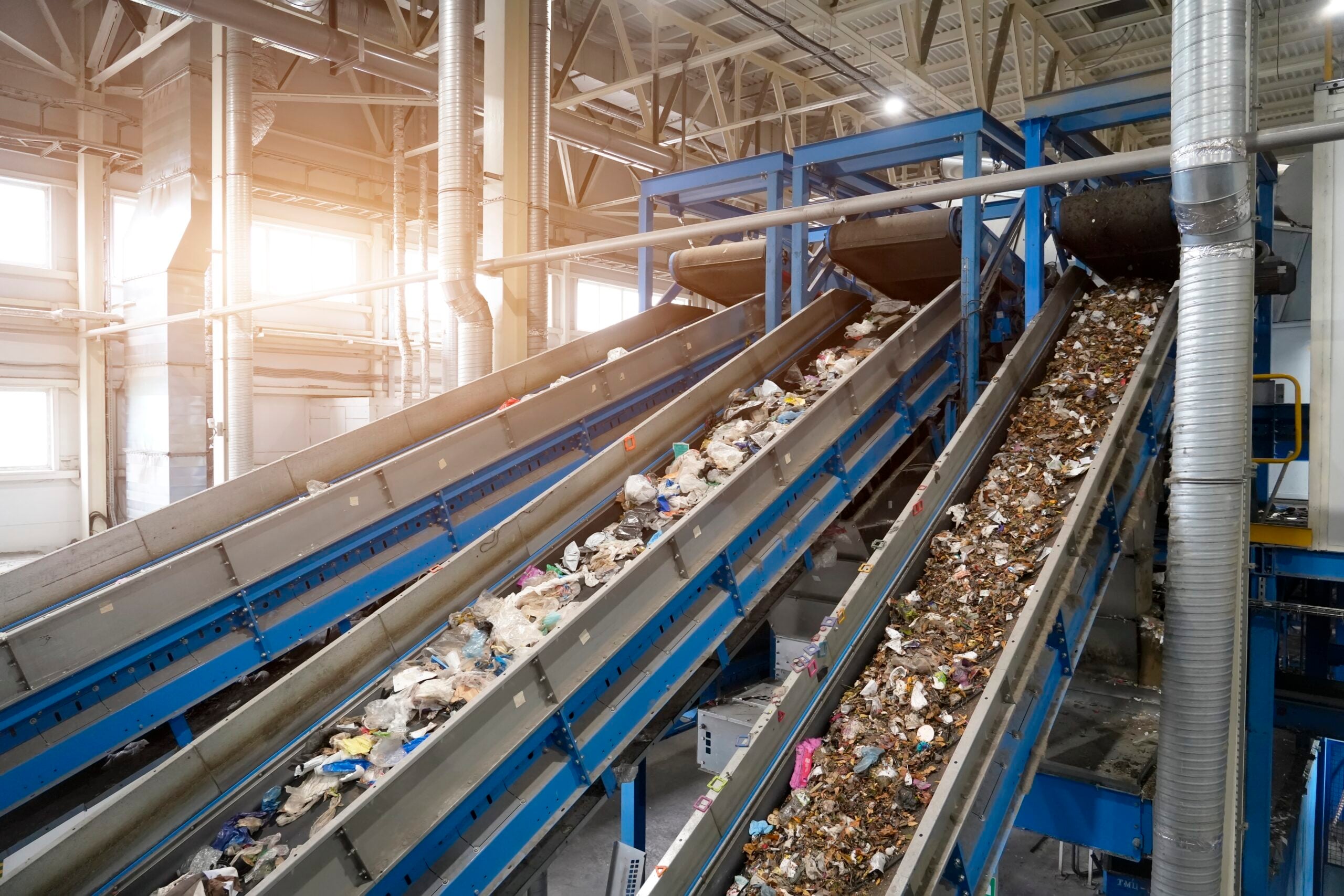
Municipal recycling and solid waste processing facility representing sanitation, transfer, and recycling operations
Landfill, transfer & disposal operations

Keep site operations and collection costs visible instead of blending everything together.

Municipal solid waste operations can include more than curbside collection. Transfer sites, landfill operations, disposal charges, equipment support, site labor, and supervision may all contribute to the annual requirement.

  • Separate collection crews from landfill or transfer-site labor.
  • Model support labor and fleet-related overhead independently from direct service hours.
  • Include disposal, tipping, materials, subcontractors, and other direct operating inputs.
  • Test changes in staffing, hours, or service assumptions before the budget is finalized.
  • Use FALIB® reporting to document how the annual service requirement was built.
Where the model can be applied

Use one cost-intelligence framework across the municipal sanitation operation.

Residential collectionForecast drivers, loaders, service hours, fringe, fleet support, and indirect operating costs.
Commercial collectionModel internal crews and support when the municipality directly services commercial accounts or facilities.
Landfill operationsSeparate site labor, equipment support, overhead, administration, and other operating inputs.
Transfer operationsForecast staffing, handling, support resources, and disposal-related costs associated with transfer activity.
Fleet maintenanceUnderstand the labor and support structure needed to keep municipal sanitation vehicles and equipment operating.
Special collection programsBuild separate assumptions for bulky waste, seasonal cleanup, recycling, or other municipal service programs.
Internal service first

Keep the municipality’s own operating cost distinct from contracted portions of the service.

Some municipalities self-perform the full sanitation service. Others use a mixed model. BreakEven+™ can keep the internal operation visible while separately identifying outside vendors where they are part of the plan.

Municipality performs the service

Forecast internal drivers, crews, mechanics, support labor, fringe, overhead, G&A, facilities, fleet-related costs, and other operating requirements.

Outside vendor performs a portion

Keep contracted service costs separately visible instead of treating them as though they were part of the municipality’s own labor structure.

Potential efficiency beyond the annual calculation.

A reusable sanitation cost model can reduce repeated spreadsheet rebuilding and make it easier to test staffing, support, and operating assumptions from one budget cycle to the next.

Reuse the operating modelCarry forward configured labor, productive-hour assumptions, indirect pools, and reporting logic.
Test service scenarios fasterReview the budget impact of changes in staffing, hours, support labor, or disposal assumptions.
Potentially reduce recurring outside modelingWhen internal staff can maintain the configured model, routine annual updates may require less outside analytical support.
FALIB® Reporting

Carry the sanitation cost model from the annual forecast into supporting detail.

Employee-level foundation

FALIB®-Mr

Use employee-specific wages, fringe, classifications, and labor assumptions.

Explore FALIB®-Mr →
Grouped foundation

FALIB®-Sr

Model labor by crew, route, role, classification, department, or grouping.

Explore FALIB®-Sr →
Project / service view

FALIB®-Jr

Carry the originating cost structure into a service estimate or change.

Explore FALIB®-Jr →
Production detail

FALIB® P&P

Show labor hours, production, materials, quantities, costs, and unit rates.

Explore FALIB® P&P →
BreakEven+™ by SERVVIAN®

Give municipal solid waste and sanitation budgets a clearer operating-cost foundation.

Forecast the crews. Separate the support structure. Include fleet, disposal, and operating inputs. Then use FALIB® reporting to explain the assumptions behind the annual requirement.